

Safe Zone Training
 The Safe Zone program furthers FIT's strategic goal of committing to a culture of
student centeredness, by offering additional support and resources to assist students
in their life-skill development. As an inclusive campus environment, it is imperative
to understand the diverse FIT community. Lesbian, gay, bisexual, transgender, queer,
questioning, and ally training is integral to the continued inclusion of all groups
and fostering a deeper understanding of differences throughout the FIT community.
The Safe Zone program furthers FIT's strategic goal of committing to a culture of
student centeredness, by offering additional support and resources to assist students
in their life-skill development. As an inclusive campus environment, it is imperative
to understand the diverse FIT community. Lesbian, gay, bisexual, transgender, queer,
questioning, and ally training is integral to the continued inclusion of all groups
and fostering a deeper understanding of differences throughout the FIT community.
Safe Zone training sessions are held a few times per semester and will be announced in advance via email. Please email [email protected] for more information.
Training Details
You do not need to identify as LGBTQ+ to attend training. This is an opportunity for anyone to understand how to be an ally to someone different from them.
Training includes the following:
- an opportunity for participants to reflect on their earliest messages regarding LGBTQ+ community
- terminology review
- understanding what it means to identify as gender queer/non-conforming or a transgender person
- how to support someone in the "coming out" process
- best practices for being an ally to LGBTQ+ students and colleagues
- ways to make your classroom or office more inclusive
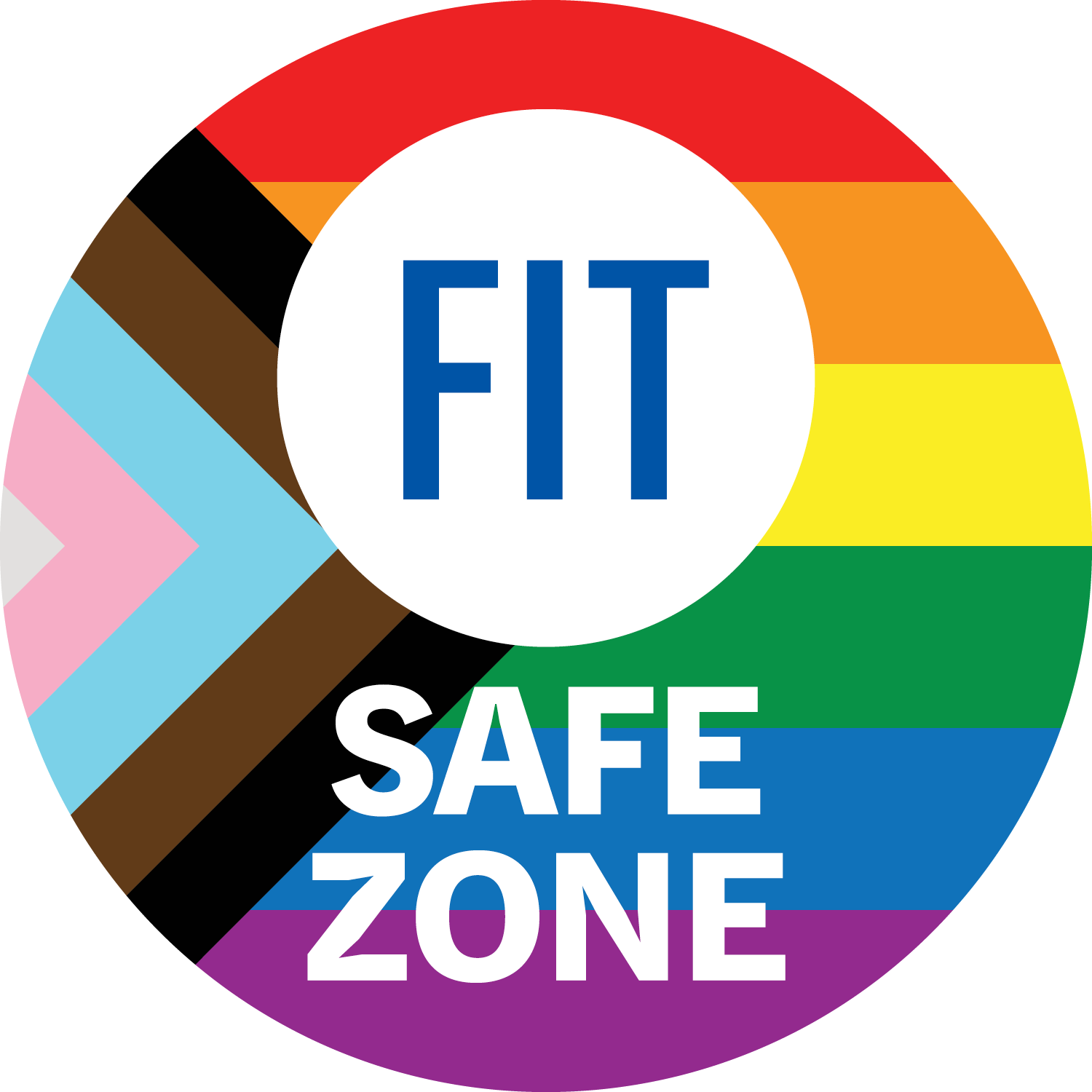
Safe Zone training is a free and voluntary professional development opportunity and does not include compensation. Those who complete training will receive a "Safe Zone" symbol like the one above to display. This symbol indicates that you are an ally who has been properly trained on LGBTQ issues, terminology, and ways to support those in need.
You only need to attend one session; however, you must attend all three hours to receive the certificate of completion.
More than 800 FIT faculty, staff, and student leaders have completed Safe Zone training to date.
Important Facts
The Policy Institute of the National Gay and Lesbian Task Force's Campus Climate for Gay, Lesbian, Bisexual, and Transgender Survey (Rankin, 2003) found that 36% of LGBT respondents had experienced harassment within the past year, with 89% of this harassment being derogatory remarks (79% of which came from fellow students).
To diminish the discrimination of LGBTQ students, many colleges and universities have established Safe Zone programs. More than 200 schools throughout the United States (including NYU, Cornell, SUNY Potsdam) have implemented a Safe Zone training program.