

Art X Fashion Lesson Plan
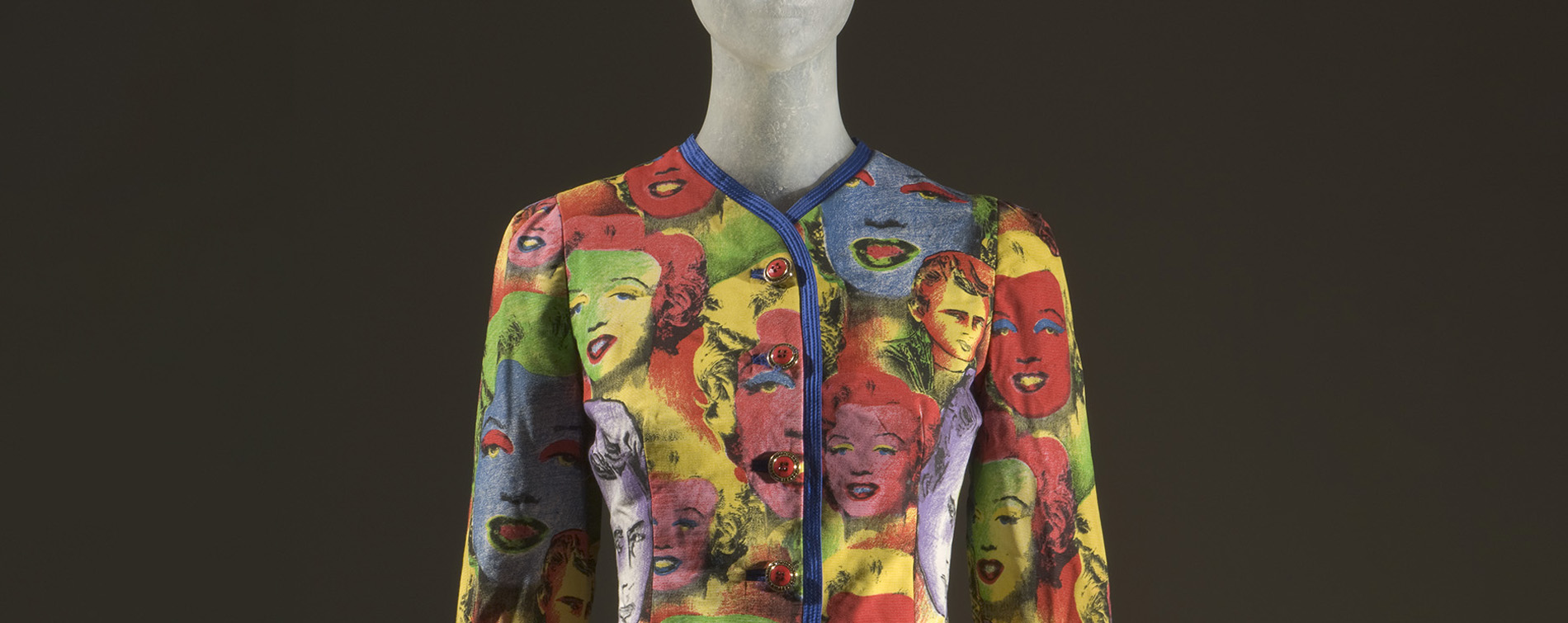 Versace, multicolor cotton and silk jacket, 1991, Italy, museum purchase, 2010.56.1
Is Art Related to Fashion?
This lesson invites children (ages 5-7) to explore the exciting connection between art and fashion through hands-on creativity and observation. Students will discover how artists and fashion designers draw on the same elements of art, line, shape, color, texture, and form, to express ideas and tell stories. By looking closely at artworks and fashion, students will begin to see fashion as a form of art. Through guided discussion and imaginative making, they will create their own artwork and transform it into a wearable fashion accessory, deepening their understanding of how creativity can move from the canvas into everyday life.
Designed in conjunction with The Museum at FIT exhibition Art x Fashion.
Age Range
5-7
Time
Approximately 1 hour
Learning Objectives:
- Learn and identify the elements of art.
- Create original artwork incorporating the elements of art.
- Learn about the smilarities between fashion and art
- Undersand fashion as a type of art
- Create a fashion accessority out of their artwork
Materials Needed
- Markers, crayons, and/or colored pencils
- Paper plates
- Hole puncher
- Glue or tape
- Ribbon or string
- Line: Pipe cleaners/popsicle sticks/string
- Texture: Feathers/pompoms/fabric scraps
- Form: Pom poms, crumpled paper, shape
- Color: Buttons, markers, color dot stickers/ colored paper
- Shape: Stickers (stars, dots, hearts, etc.), colored paper cut into shapes, adhesive foam shapes; shapes drawn by hand
Introduction (~15 min.)
I. Art
Adult will introduce the following:
1. What is art?
- Art is a way to express ideas, feelings, and creativity.
- Oxford Learners Dictionary Definition: The use of the imagination to express ideas or feelings, particularly in painting, drawing or sculpture.
- Ask the child to name any characteristics that art might have?
2. What are the elements of art?
- Introduce five elements of art: line, shape, color, texture, form.
- Review using the “Elements of Art” chart.
- Have the child think about the five elements of art using the prompts below. ** Dictionary definitions of each term are provided, and can be referenced if needed.
Line
- Have the child draw a line in the air or on a piece of paper (examples: straight, wavy, curved).
- Dictionary Definition: A long, thin mark on a surface.
Color
- Review some different colors with the child and/or have the child name colors they see around them (red, blue, yellow, green).
- Remind the child that we all see things differently. Some people see colors more vibrantly, some see them more muted, and some people experience color blindness. There is no right or wrong answer.
- Dictionary Definition: The appearance that things have that results from the way in which they reflect light.
Texture
- Ask the child to touch their shirt or a table, and describe how it feels (example: rough, soft, hard, bumpy).
- Dictionary Definition: The way a surface, substance, or piece of cloth feels when you touch it, for example, how rough, smooth, hard, or soft it is.
Shape
- Ask the child to name any shapes they see around them (star, heart, circle, square).
- Dictionary Definition: The form of the outer edges or surfaces of something; an example of something that has a particular form.
Form
- Dictionary Definition: 3-D shape, with height, depth, and width.
- Review different types of 3-D shapes (example: cube, sphere, pyramid).
- Make the distinction that shapes are 2-D (flat), but forms are 3-D.
- Explain that line, shape, color, texture, and form are the building blocks to create art.
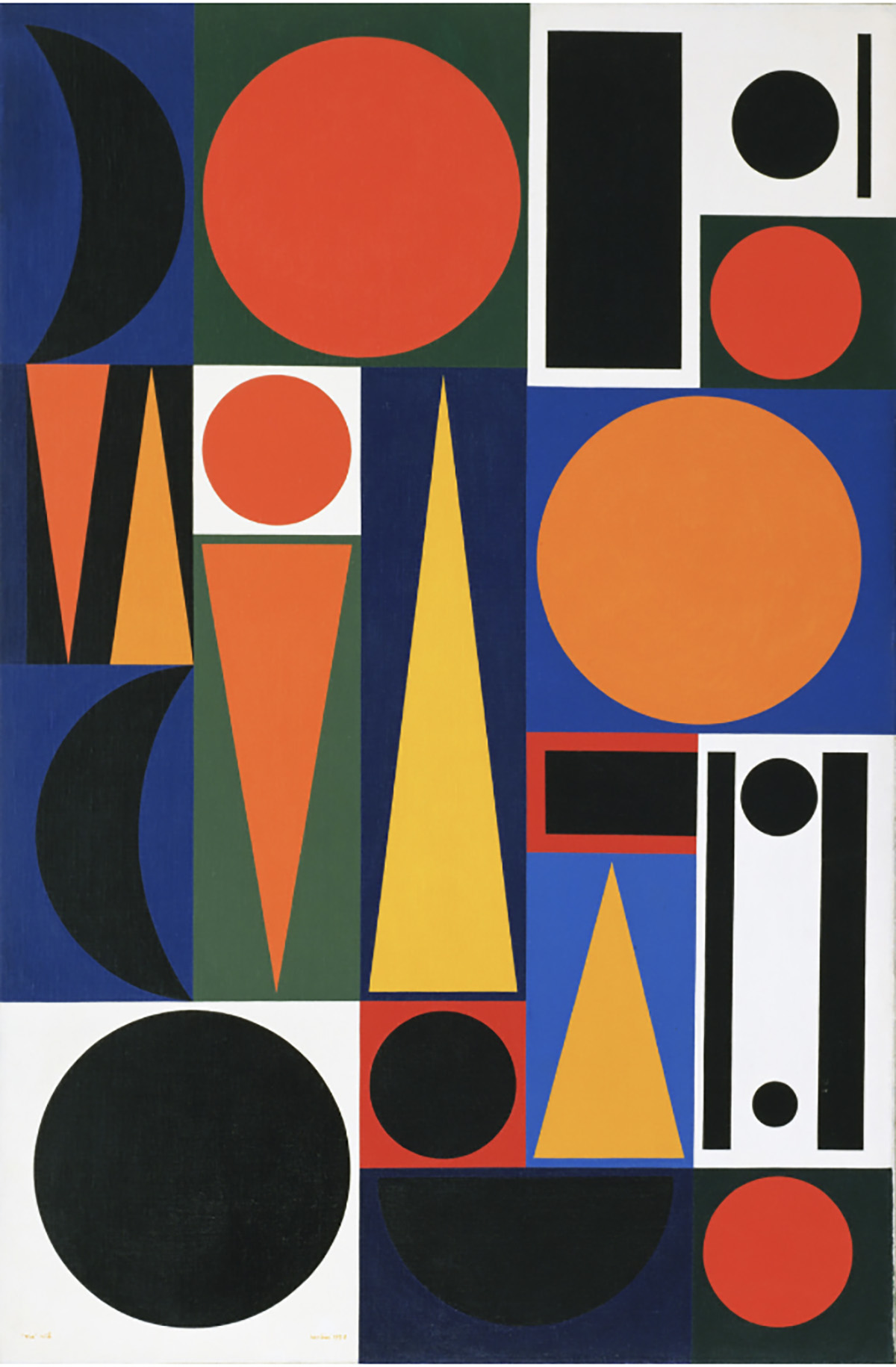
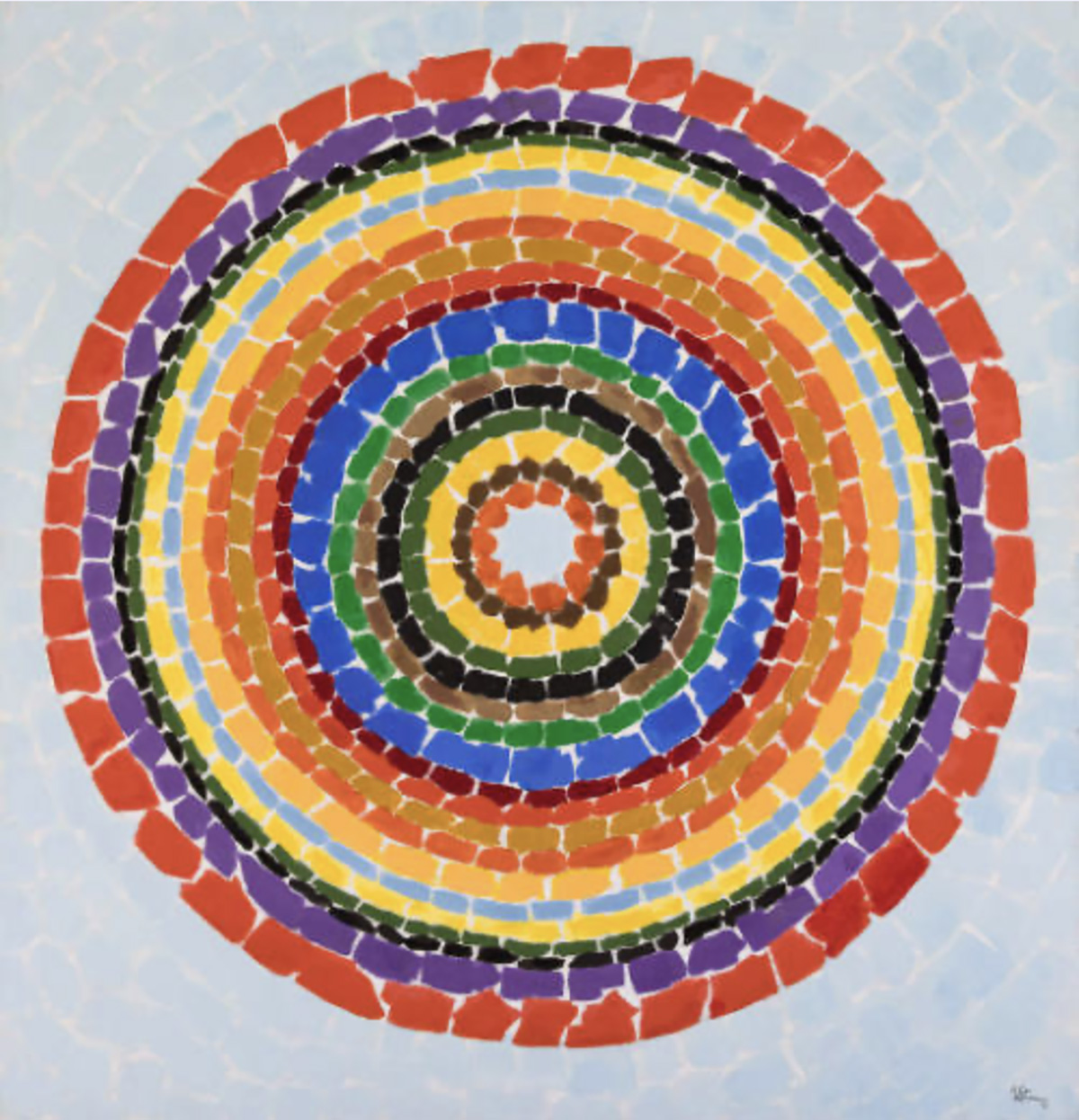
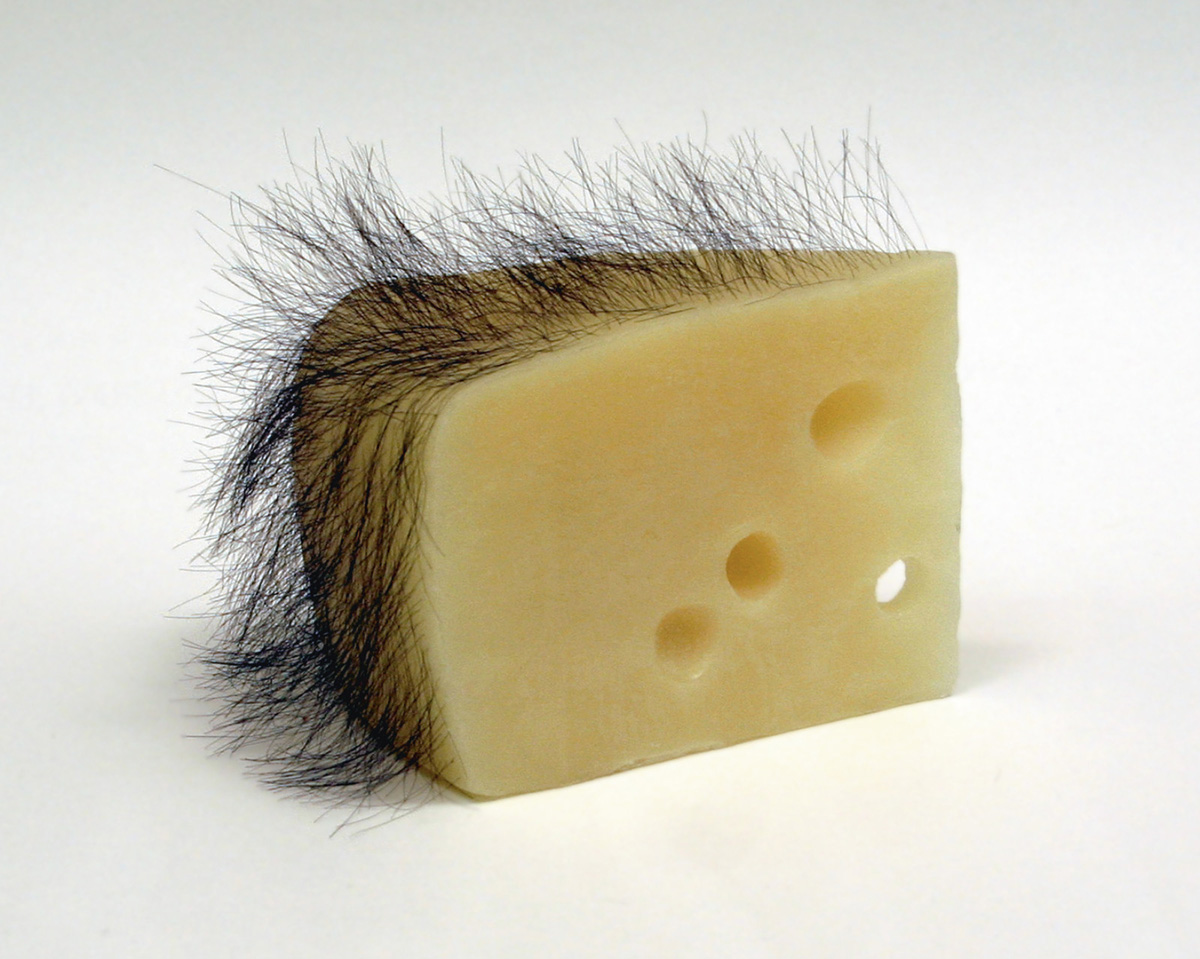
- Instruct the child to look at each example carefully and use the following discussion
prompts. Please note this is an observation exercise, there’s no right or wrong answer:
- What colors do you see?
- What shapes do you see?
- Do you see any lines? What kind?
- Do you see any textures? If you were to touch it, what do you think it would feel
like?
II. FASHION
1. What is fashion?
- Fashion often refers to styles of clothing and accessories that many people wear.
Fashion includes clothing and accessories (hats, shoes, belts, jewelry, etc.) that
people design and wear.
- Have the child look at their clothes and then yours. What are they wearing? Ask the
child to describe the clothes (or fashion) they are wearing.
2. How are art and fashion connected?
- Fashion contains the same elements of visual arts (line, shape, color, texture, form).
- Fashion can tell a story or express personality, just like art.


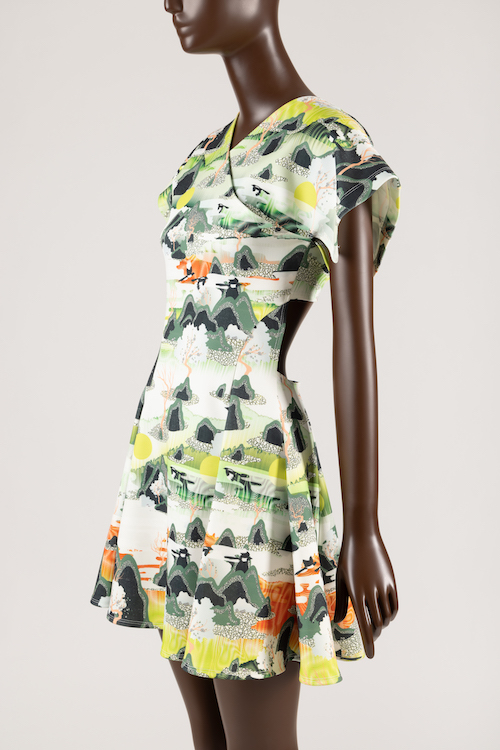
- Instruct the child to look at each example carefully. You can use the same questions
that were used for the art examples to prompt the discussion. There are no right or
wrong answers.
- What colors do you see?
- What shapes do you see?
- Do you see any lines? What kind?
- Do you see any textures? If you were to touch it, what do you think it would feel
- Have the child identify the five elements of art in the fashion examples provided.
III. CRAFT
Transition to Activity: Creating Artwork (~2 min.)
Explain to the child that they will be creating their own artwork! The art can express their ideas, feelings, or creativity. Explain that they can draw and decorate their paper plate however they like and should incorporate the five elements of art.
Activity: Make a Piece of Art (~15 min.)
- Give the paper plate to the child.
- Instruct the child to make a piece of artwork on their paper plate. Ask the child
to use the five elements of art (line, shape, color, texture, and form) to create
art that expresses their creativity, ideas, or emotions.
Discussion: (~3 min.)
- Ask the child to share and present their artwork.
- Ask the child the following questions:
- How does this artwork make you feel?
- What elements of art did you use in your artwork?
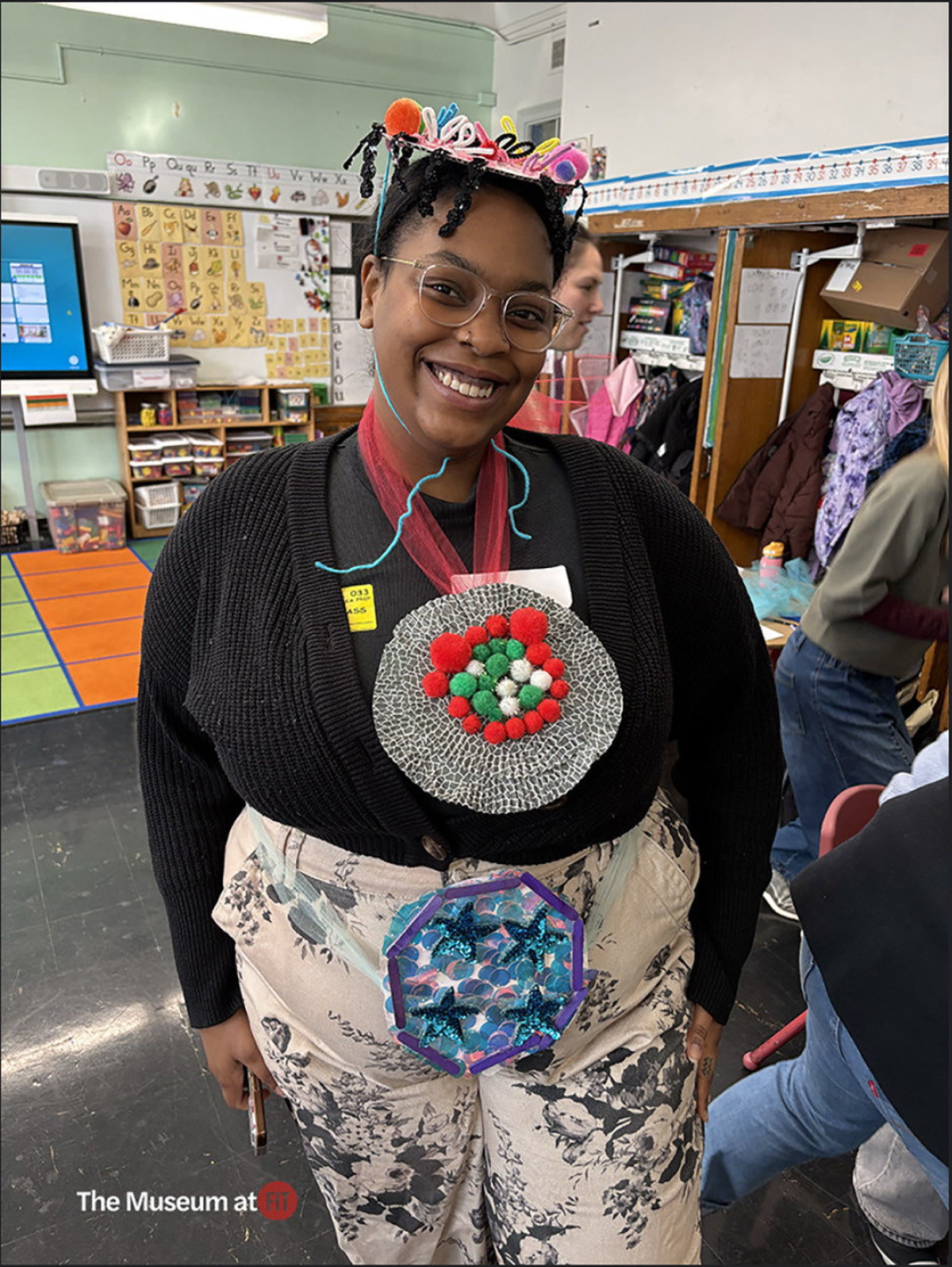
Transition to Activity: Turn Your Art into a Fashion Accessory! (~1 min.)
The child will turn their artwork into a wearable fashion accessory. It can be a hat,
a belt, a necklace, or anything they can think of, as long as they can wear it. Please
see the example image of the types of fashion accessories children can make.
Activity: Create Your Fashion Accessory! (~10 min.)
- Ask the child to select what accessory they want to make. It can be a hat, a belt, a sash, a necklace, or anything they can think of, as long as they can wear it.
- Once the child has chosen the wearable fashion accessory they want to make, assist
by hole-punching the paper plate so it can be turned into a wearable fashion accessory.
- Have the child model their fashion accessory!
Examples
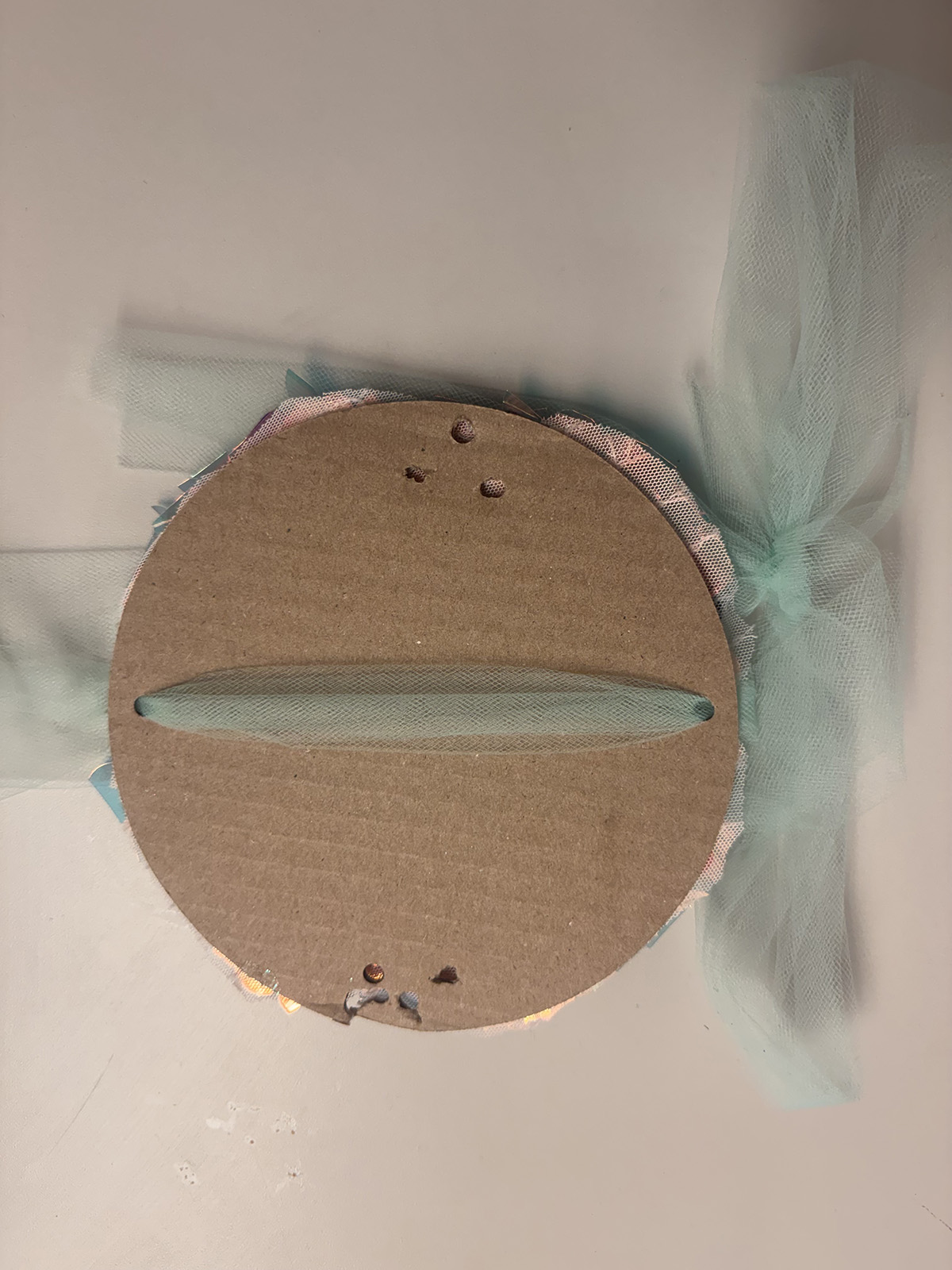
Belt, sash, or hat
- Hole punch two holes on the perimeter of the paper plate, with one hole on each side.
- Thread a ribbon or string through the holes, keeping it on the underside of the plate.
- Tie the ribbon or string around the child, adjusting for the desired fit.
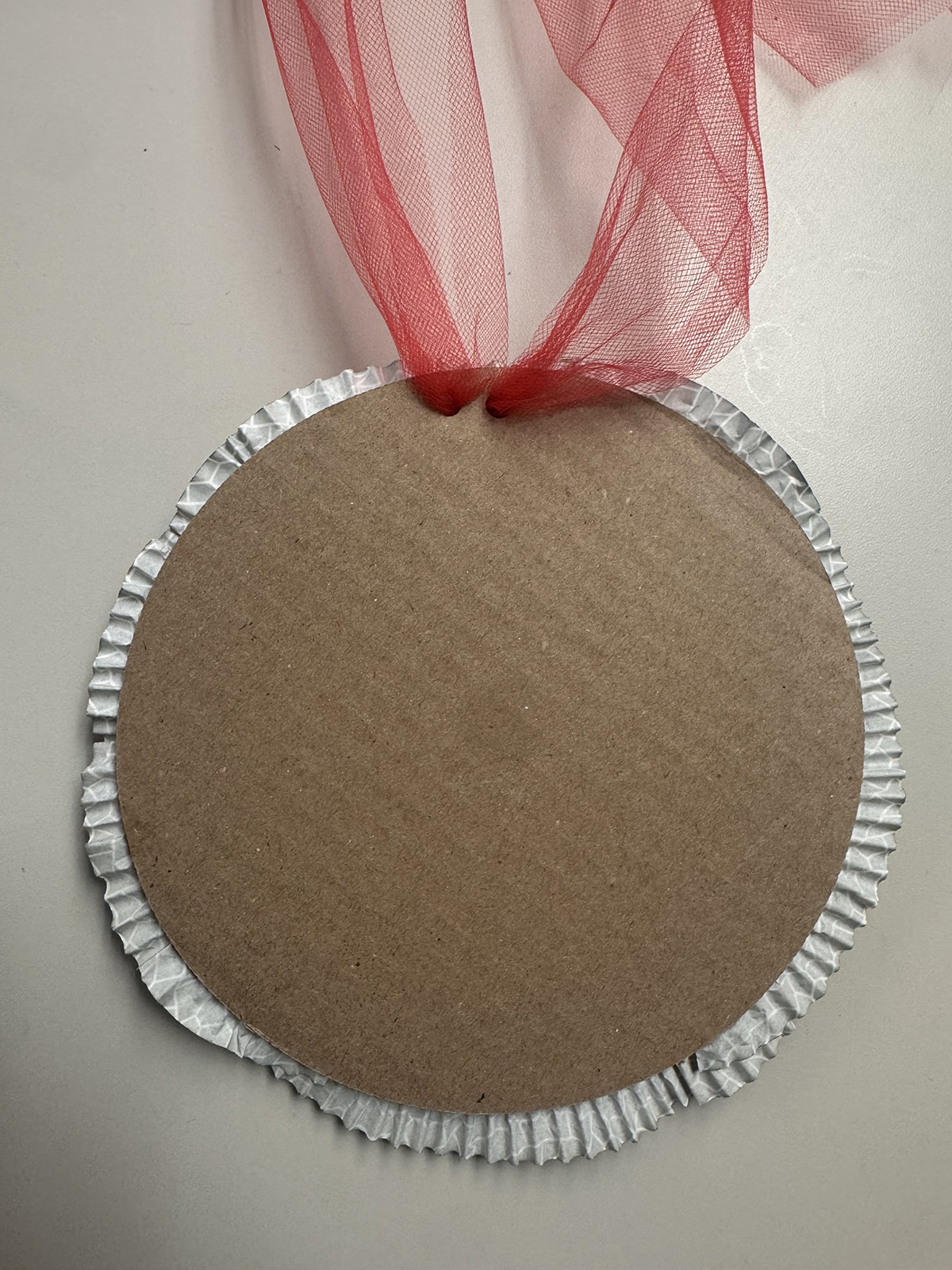
Necklace
- Hole punch two holes next to each other on the top of the paper plate.
- Thread a ribbon or string through the holes.
- Tie the ribbon or string around the child, adjusting for the desired fit.
Discussion: (~4 min.)
Ask the child to consider the connection between their artwork and the wearable art by using the following discussion questions. There are no right or wrong answers:
- Why did you choose that particular accessory?
- What do fashion and art have in common?
- Reinforce to the child that both fashion and art share the five elements of art (line, shape, color, texture, form). What elements do they see in their fashion accessory?
- How is your accessory both art and fashion?
- Do you think fashion is a type of art?
- Remind the child that they made artwork and then turned it into fashion, demonstrating that fashion is a type of art.
BONUS ACTIVITY
Become a Fashion Designer (~2 min.)
Ask the child to think like a fashion designer. Explain that fashion designers draw their ideas for clothing and accessories on paper before making them. Using the croquis worksheet, explain to the child that they will draw an outfit to match their fashion accessory.
Activity: Croqui Worksheet (~5 min.)
- Distribute the croquis worksheet.
- Ask the child to draw an outfit that matches their fashion accessory on the worksheet.
Discussion (~3 min.)
Ask the child to think about why they drew this outfit and use the following discussion questions:
- Why did you draw this outfit?
- How does your outfit match your accessory?
- Did you enjoy being a fashion designer?
Additional Content
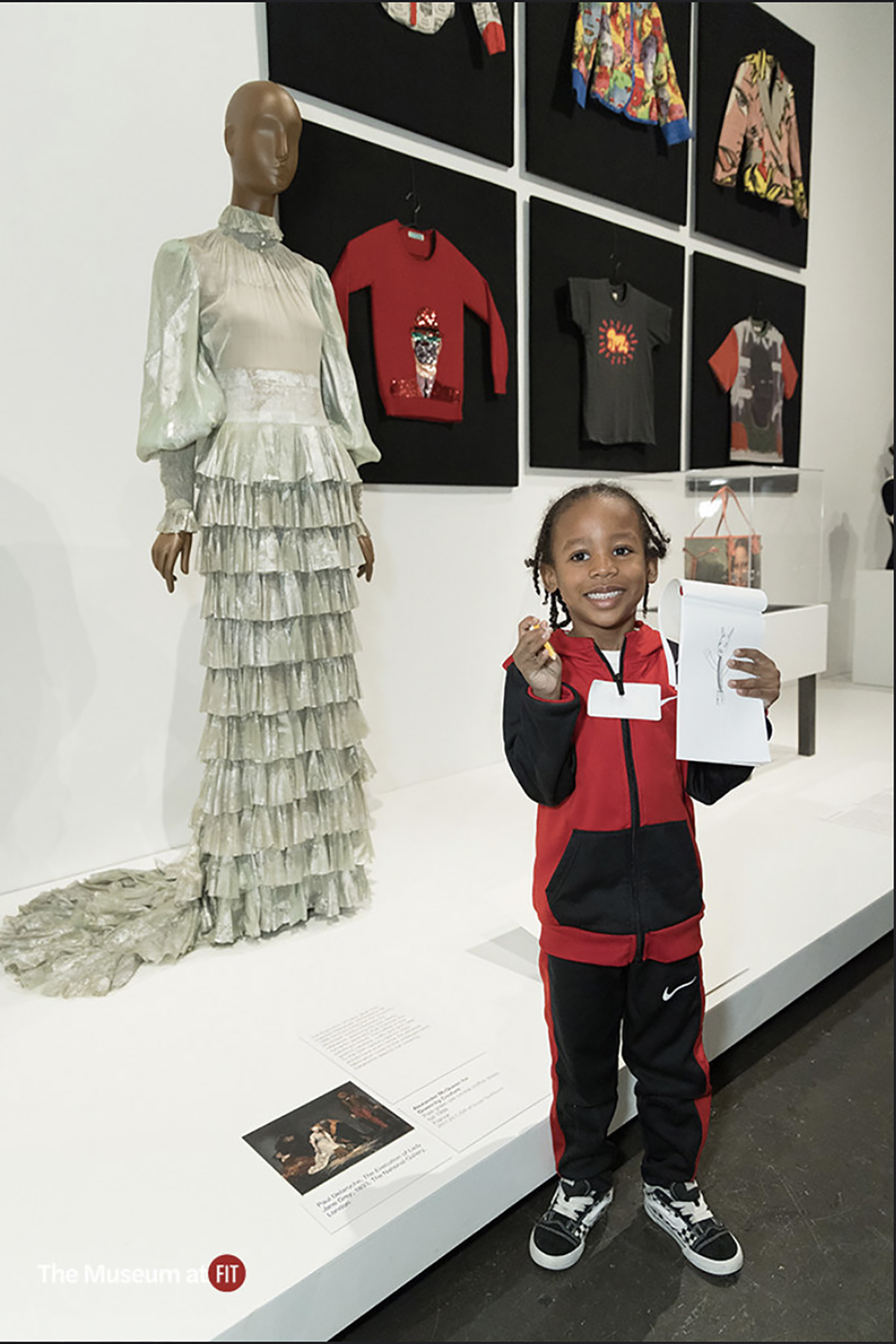
View the Museum at FIT's 10th Annual Kindergarten School Program with students at PS 33 Chelsea Prep in conjunction with the MFIT exhibition Art X Fashion on Flickr.